



King’s College London – Inclusive design
The challenge
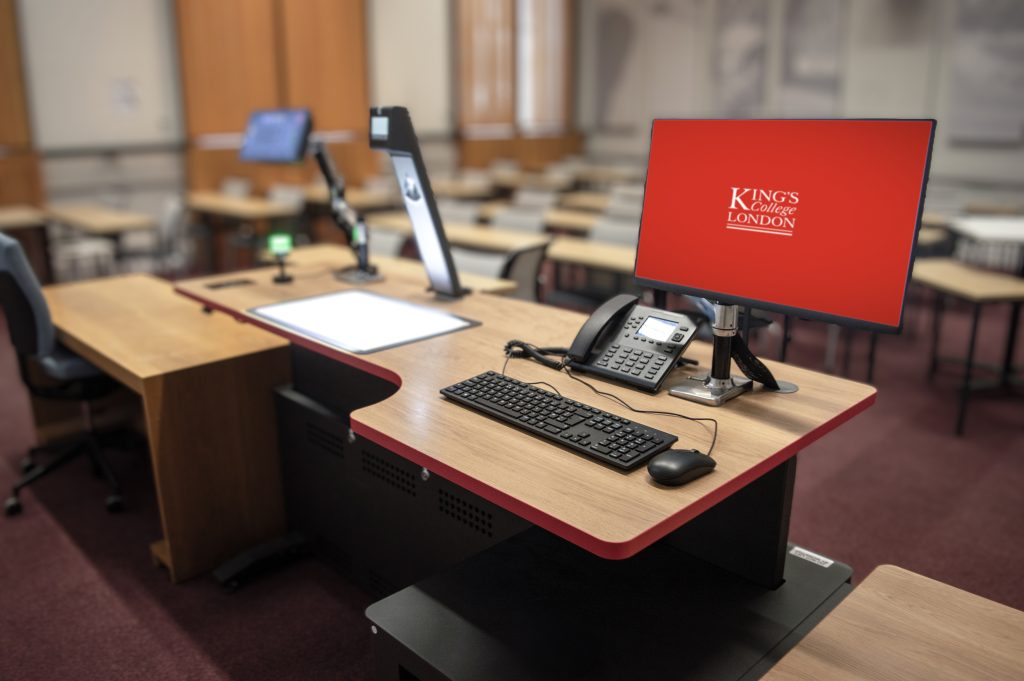
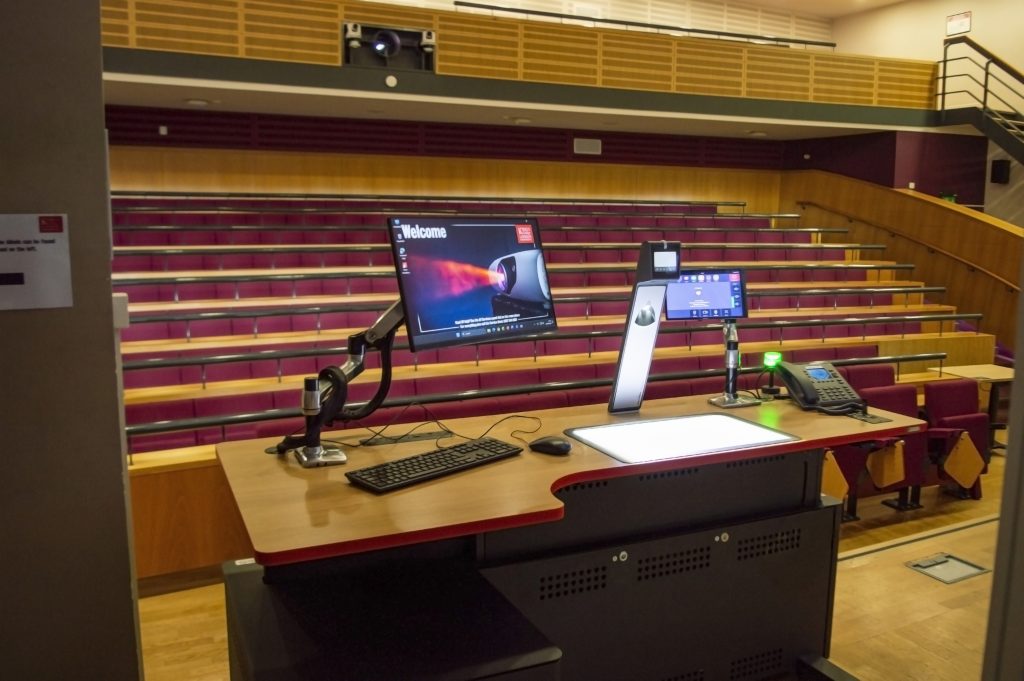
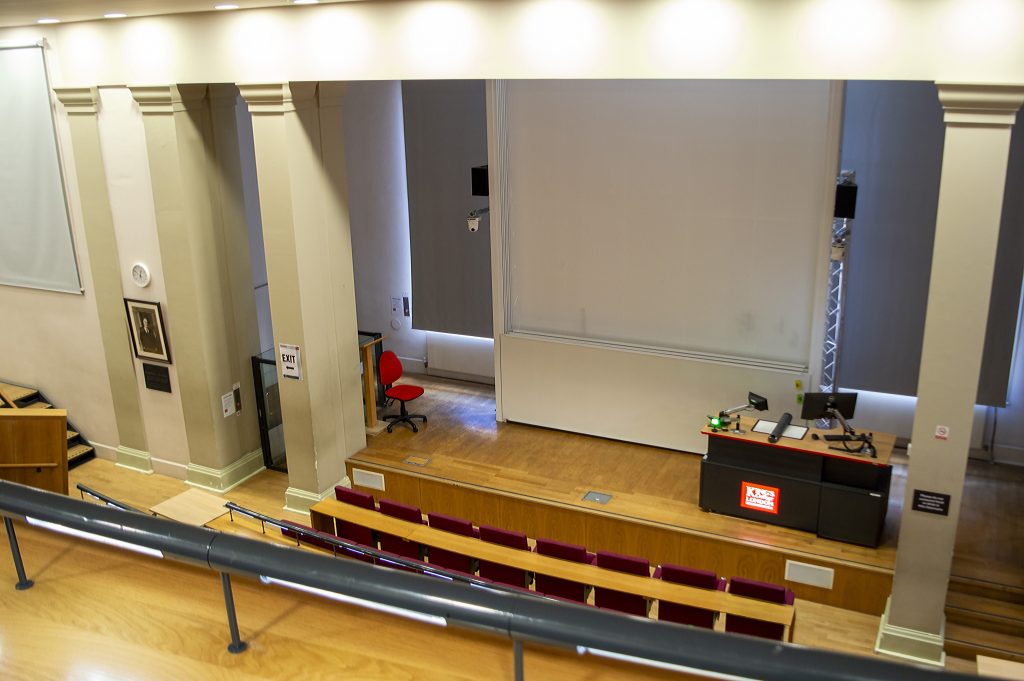
King’s College London (KCL) set out to create a new standard for accessible teaching lectern furniture across its learning estate. Rather than adapting a conventional lectern, the project began with a design drafted by King’s AV Solutions team and a following months of consultation with disability advisers.
The ambition was clear, develop an Equality Act aligned lectern that offered dignified, practical access for a wide range of users while still meeting the demanding AV, IT, security and durability requirements of modern teaching spaces.
TOP-TEC were made aware from the outset that KCL needed a partner able to listen carefully, respect the work already completed by the panel, challenge details constructively and translate the concept into a dependable, manufactured product.
Key project criteria: |
|
A genuinely collaborative Design process
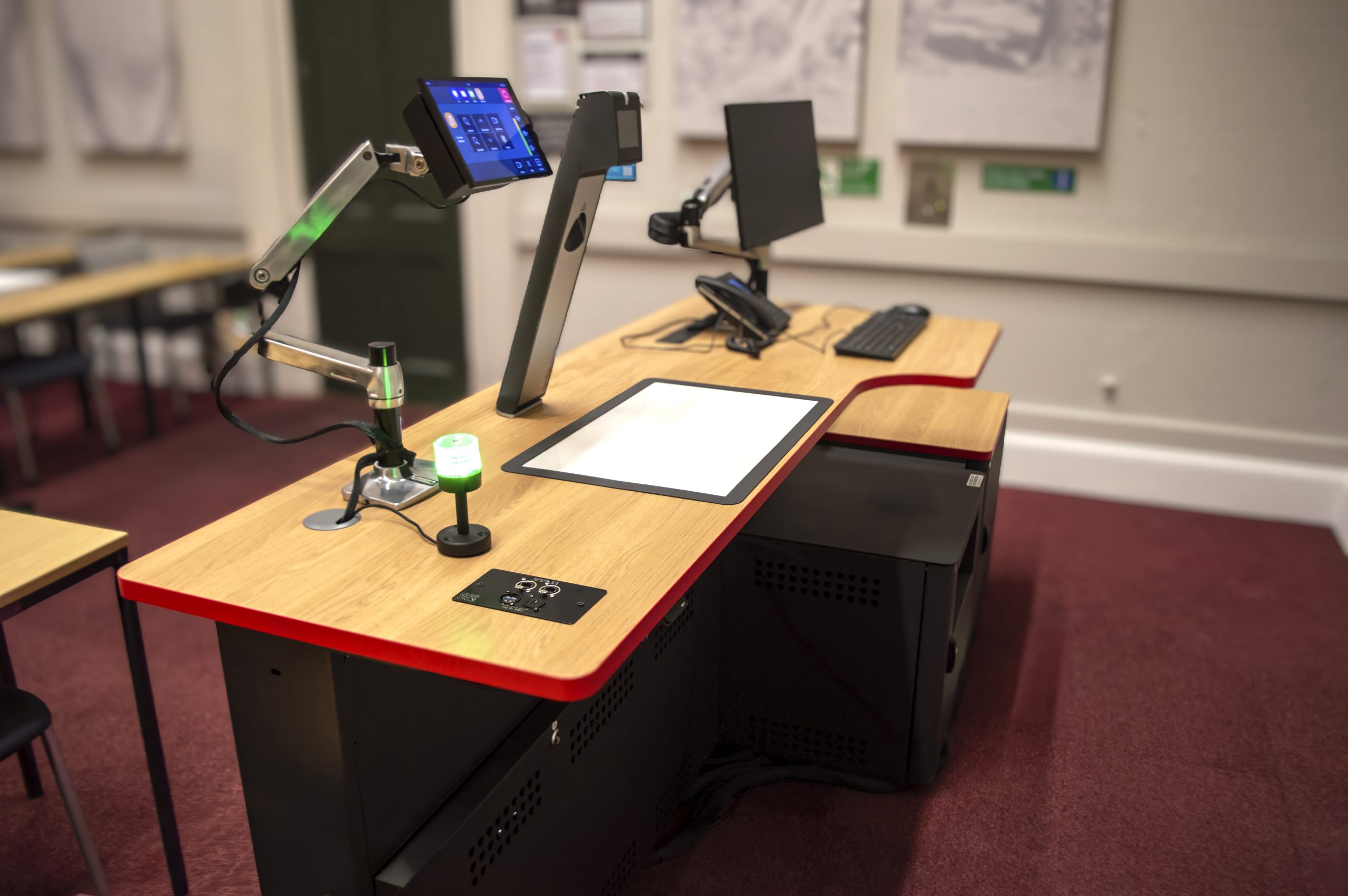
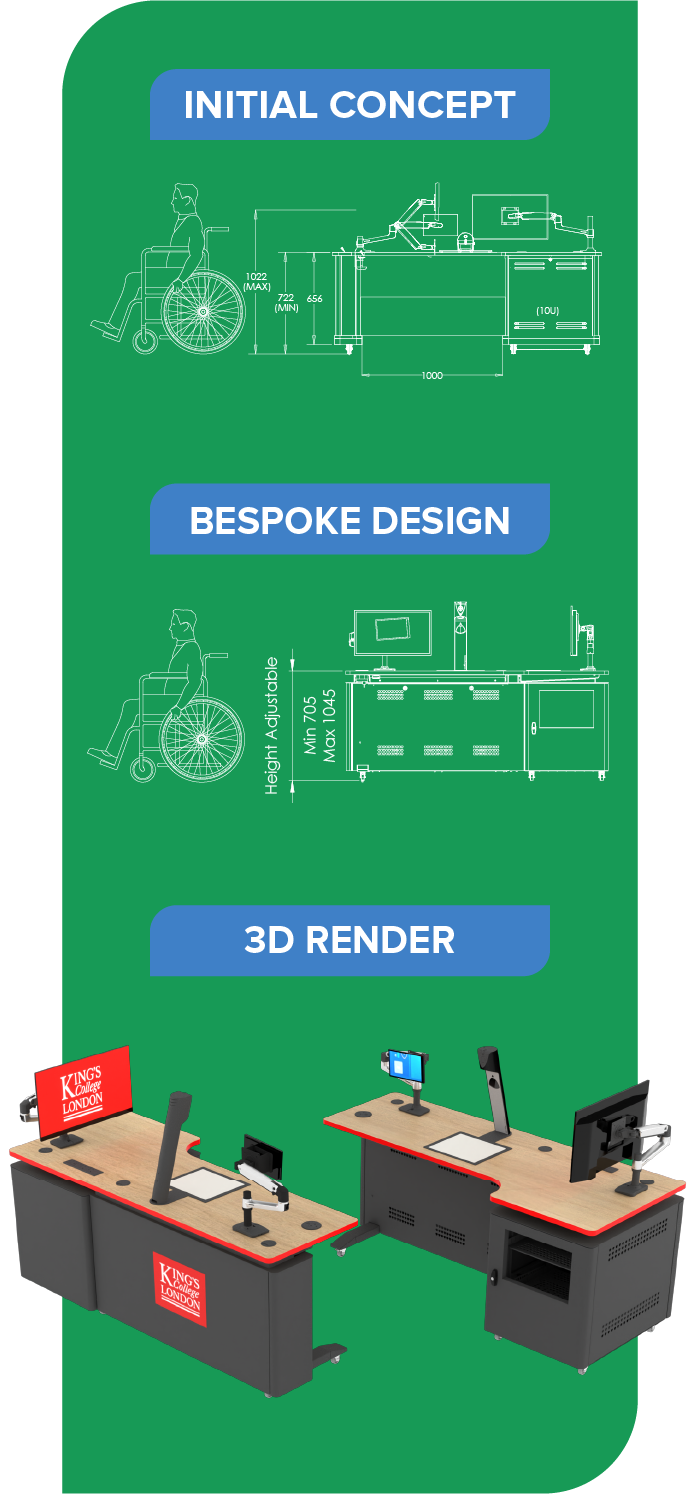
KCL’s schematic drawings became the starting point, not a constraint. TOP-TEC’s design team reviewed the concept with the university and its AV stakeholders, then developed the engineering, component integration and manufacturing detail needed to turn it into a production-ready solution.
The development process combined the accessibility intent of the panel with TOP-TEC’s experience in technical furniture. Iterative line drawings, rendered options and technical reviews allowed both teams to examine clearances, working height, rack capacity, mobility, cable management, hardware access and the relationship between the user and the technology.
Designing around the user
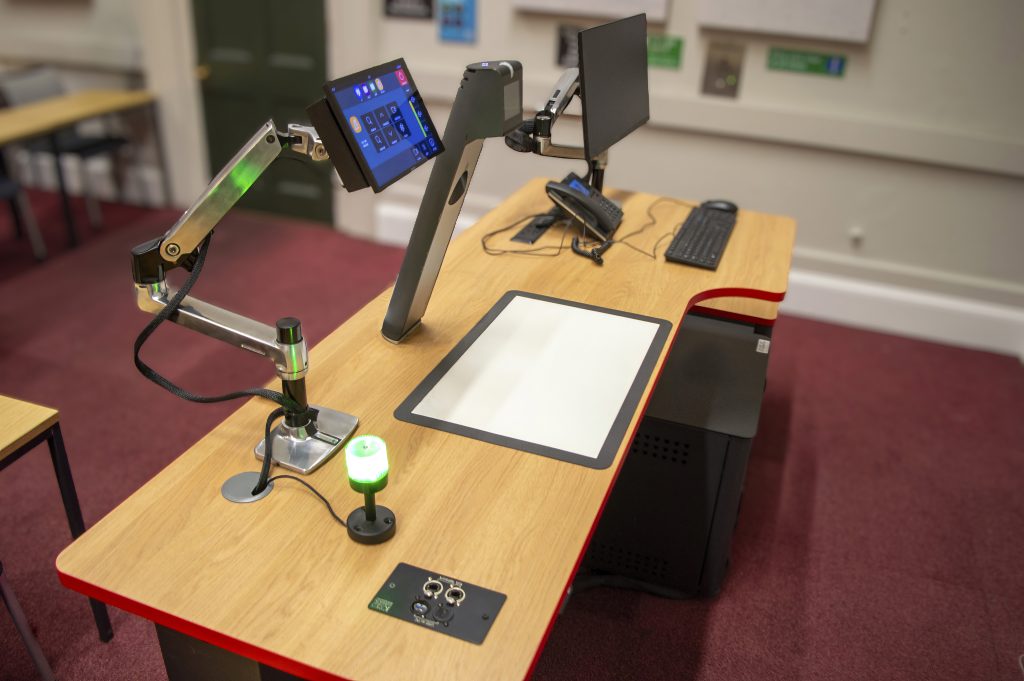
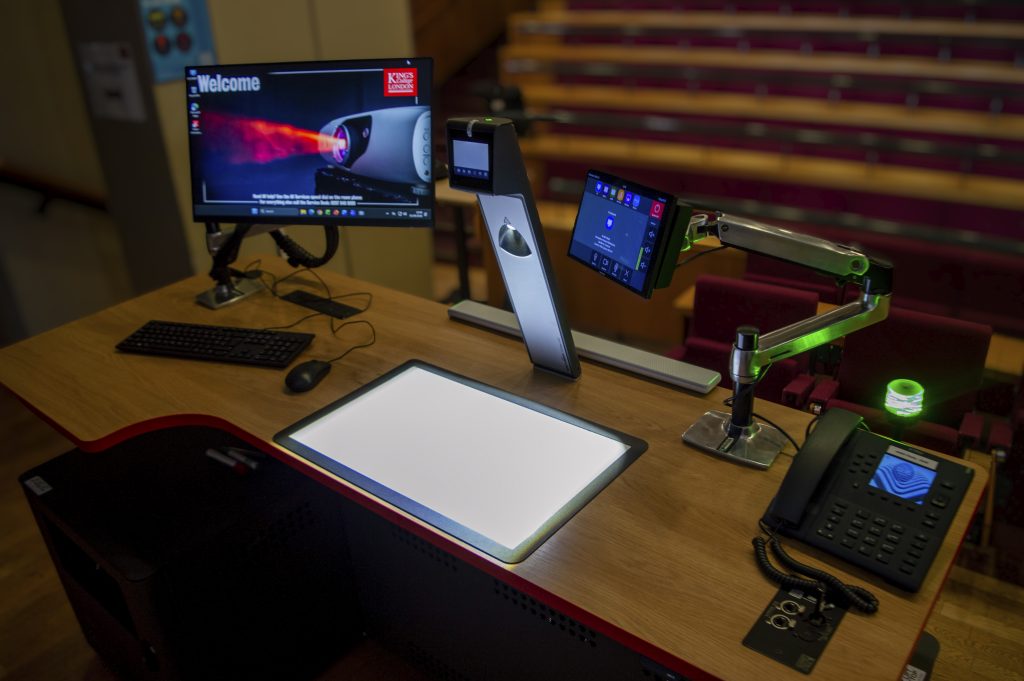
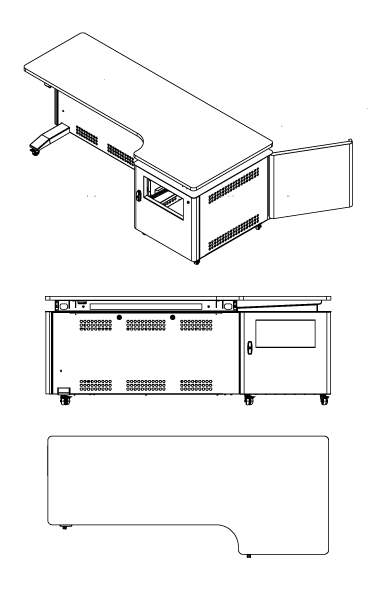
The design brief called for an approximately 1,900 mm-wide unit with a 1,000 mm obstruction-free user space. A curved, reduced depth working section was proposed to bring controls and equipment within comfortable reach while preserving wheelchair access and clear leg space. The lectern also needed to provide an accessible minimum working height and accommodate the university’s AV equipment without allowing the rack or supporting structure to intrude into the user zone.
Engineering the technology
Behind the furniture-led appearance, the lectern had to operate as a professional technical platform. The solution was developed around removable rack capacity, low-profile castors and adaptable monitor mounting.
Key design considerations |
|
From Gemini concept to SHEA
The project began with an assessment of whether TOP-TEC’s Gemini Mono platform could be adapted. As the requirements developed, the collaboration moved beyond a simple product modification. Together, KCL and TOP-TEC created a distinctive lectern with its own identity; drafted, engineered, manufactured and delivered as a one-of-a-kind solution.
At KCL’s request, the finished product was named SHEA in recognition of a King’s College London AV Solutions employee’s disabled son.
SHEA exemplifies the core values behind the project: listening to users, prioritising their needs and creating environments in which they can participate, unimpeded and independetly.
Why the partnership worked
TOP-TEC was appointed because its response demonstrated more than manufacturing capability. The team listened closely to KCL’s requirements, preserved the intent of the disability panel and remained engaged throughout with the Kings AV Solutions team as the brief moved from schematic drawings to detailed technical design.
That approach helped resolve the competing demands of inclusive access, equipment integration, serviceability, mobility and appearance. The result was not an off-the-shelf compromise, but a purpose-built solution developed through shared expertise.
A platform for future teaching spacesSHEA was initially conceived for small and medium rooms, with an opening requirement for six units and the potential to become a wider standard across KCL’s five campuses. The design has since prompted discussion around larger versions with additional rack capacity and smaller variants for more compact classrooms — demonstrating how a well-considered bespoke product can evolve into a flexible family of solutions. |
